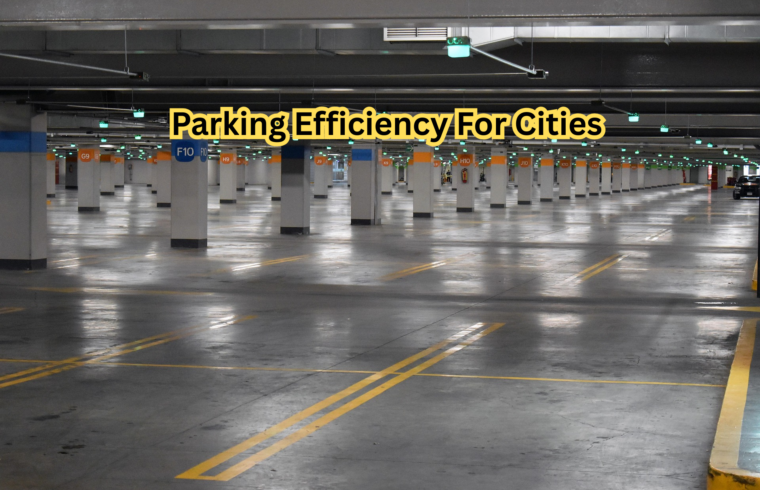
An increasingly important consideration in contemporary urban planning is Parking Efficiency For Cities, as unmanaged parking causes traffic jams, pollution, and driver annoyance as cities expand. Smoother traffic flow, improved urban mobility, and efficient space usage are all guaranteed by effective parking systems. By focusing on Parking Efficiency For Cities, local governments can reduce congestion and enhance daily travel experiences. Cities that place a high priority on Parking Efficiency For Cities promote sustainable development and economic progress in addition to improving public comfort.
The Role of Smart Parking Technology
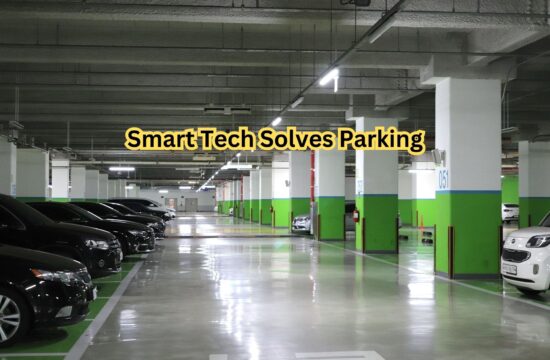
Smart parking technologies greatly increase cities’ parking efficiency. Sensors, cameras, and cloud-based systems actively monitor real-time parking availability. Mobile apps make it simple for drivers to find open spaces, cutting down on needless travel. This method reduces carbon emissions brought on by traffic congestion, saves time, and uses less gasoline.
Benefits for Drivers and Residents
Both cars and city dwellers directly benefit from effective parking schemes. Drivers benefit from shorter travel times, less stress, and faster parking access. Neighborhood safety has increased and traffic congestion has decreased. Everyone may live in a safer and more comfortable urban environment when parking management is well-organized and emergency vehicle access is improved.
Environmental Advantages of Efficient Parking
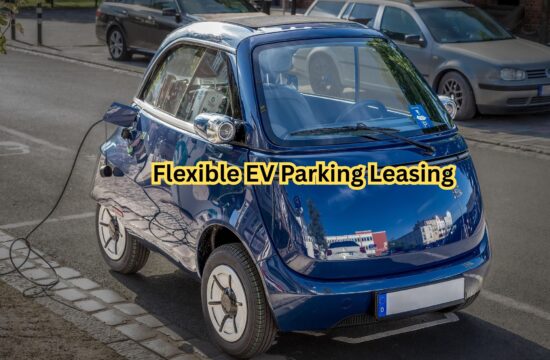
In cities, an effective parking system contributes to less environmental harm. Fuel usage and vehicle emissions are reduced when less time is spent looking for parking. Eco-friendly projects like electric vehicle charging stations are also supported by smart solutions. This promotes a healthier urban environment, less noise pollution, and cleaner air.
Future of Parking Efficiency in Smart Cities
Complete smart city integration is the key to parking efficiency in the future. Predictive analytics, automatic parking, and AI-based solutions will become commonplace. These developments will deliver smooth user experiences, improve municipal planning, and improve traffic management. The foundation of intelligent, ecological, and human-friendly urban infrastructure will continue to be parking efficiency.